Francis Ching's Principles
- awhiti21
- Feb 28, 2022
- 2 min read
Updated: Mar 20
Axis:
Ching states in his text that, "The axis is perhaps the most elementary means of organizing forms and spaces in architecture. It is a line established by two points in space, about which forms and spaces can be arranged in a regular or irregular manner".

Symmetry:
As stated in the text, "A symmetrical condition cannot exist without implying the existence of an axis or center about which it is structured. An axis is established by two points; a symmetrical condition requires the balanced arrangement of equivalent patterns of form and space on opposite sides of a dividing line or plane, or about a center or axis".

Hierarchy:
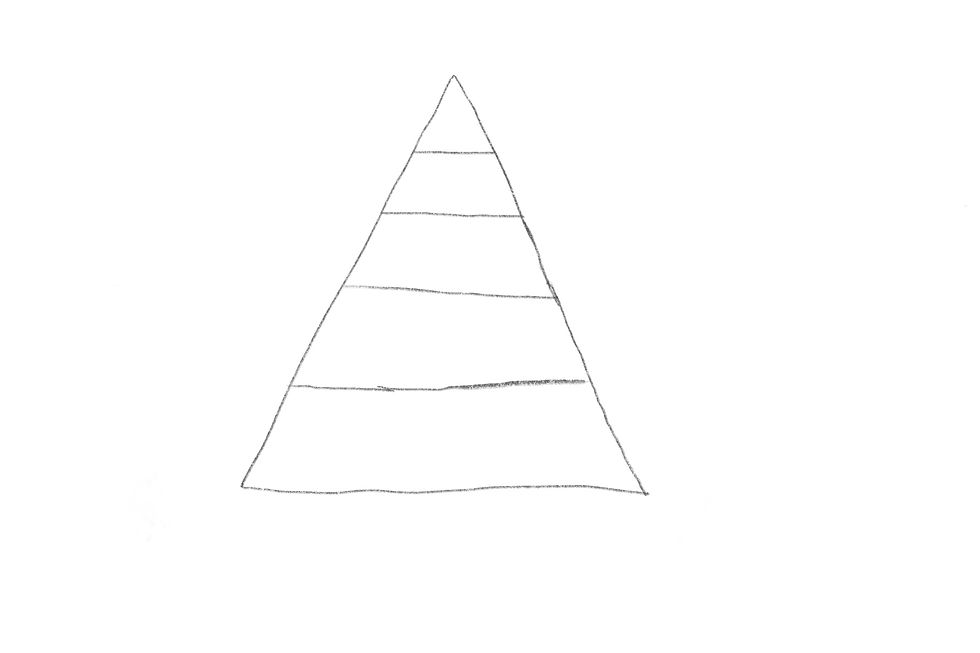
The principle of hierarchy implies that in most, if not all architectural compositions, real differences exist among their forms and spaces.
Datum:
A datum refers to a line, plane, or volume of reference to which other elements in a composition can relate. It organizes a random pattern of elements through its regularity, continuity, and constant presence.

Rhythm & Repetition:
Rhythm refers to any movement characterized by a patterned recurrence of elements or motifs at regular or irregular intervals. The principle of repetition utilizes elements' closeness and/or proximity to one another, or the visual characteristics they share in common. The principle of repetition utilizes both of these concepts of visual perception to order recurring elements in a composition.

Transformation:
As stated in the text, "The study of architecture, as with other disciplines, should legitimately involve the study of its past, of prior experiences, endeavors, and accomplishments from which much can be learned and emulated. The principle of transformation accepts this notion; this book, and all of the examples it contains, is predicated on it".

Citations:
Ching, Francis D.K. Architecture Form, Space, and Order. John Wiley & Sons Inc, 2015.


Comments